
Cloud AI breaches are not a science-fiction problem. They are what can happen when your questions, files, or chat logs live on a vendor’s computers, and those computers are exposed by a bug, a misconfiguration, or weak controls.
If the work never left your building, that class of incident would have nothing to take. That is the pain point in one sentence.

What cloud AI breaches look like
In March 2023, OpenAI took ChatGPT offline. The Verge reported, from the company’s own account, that a bug may have shown some active users snippets of others’ chat histories, and may have exposed payment-related information — including name, email, payment address, and the last four digits and expiration date of a card — for around 1.2 percent of ChatGPT Plus subscribers who used the service between 4 a.m. and 1 p.m. Eastern time on March 20. OpenAI said the bug was fixed and that it had reached out to users who may have been affected.
The users in that incident had not mistyped anything. They used the product as designed. The exposure happened on the vendor’s side.
In January 2025, TechCrunch reported that researchers at Wiz found a DeepSeek database on the public internet with no password. It held more than a million unencrypted logs, including user chat histories and API keys. DeepSeek took the database offline after it was alerted. It is not known how long it was exposed, or whether anyone else found it first. People had been sending prompts to a popular AI service. Those prompts were sitting in a place the wider internet could reach.
Why the numbers should get your attention
IBM’s 2025 Cost of a Data Breach Report, based on breaches at 600 organizations from March 2024 through February 2025, found that 13% of organizations reported breaches of AI models or applications, and that 97% of those lacked proper AI access controls. The report also found that 60% of the AI-related security incidents led to compromised data.
Cloud AI breaches, in other words, are no longer a hypothetical. When a model or an application is poorly controlled, the data it holds is the prize.
Not every research finding is a breach. A prompt injection flaw in a workplace assistant can be demonstrated and then patched, with no evidence of customer data being taken. Those stories still matter, because they show how a cloud tool connected to mail and files can be steered. They should be described accurately, not inflated.
A more local solution
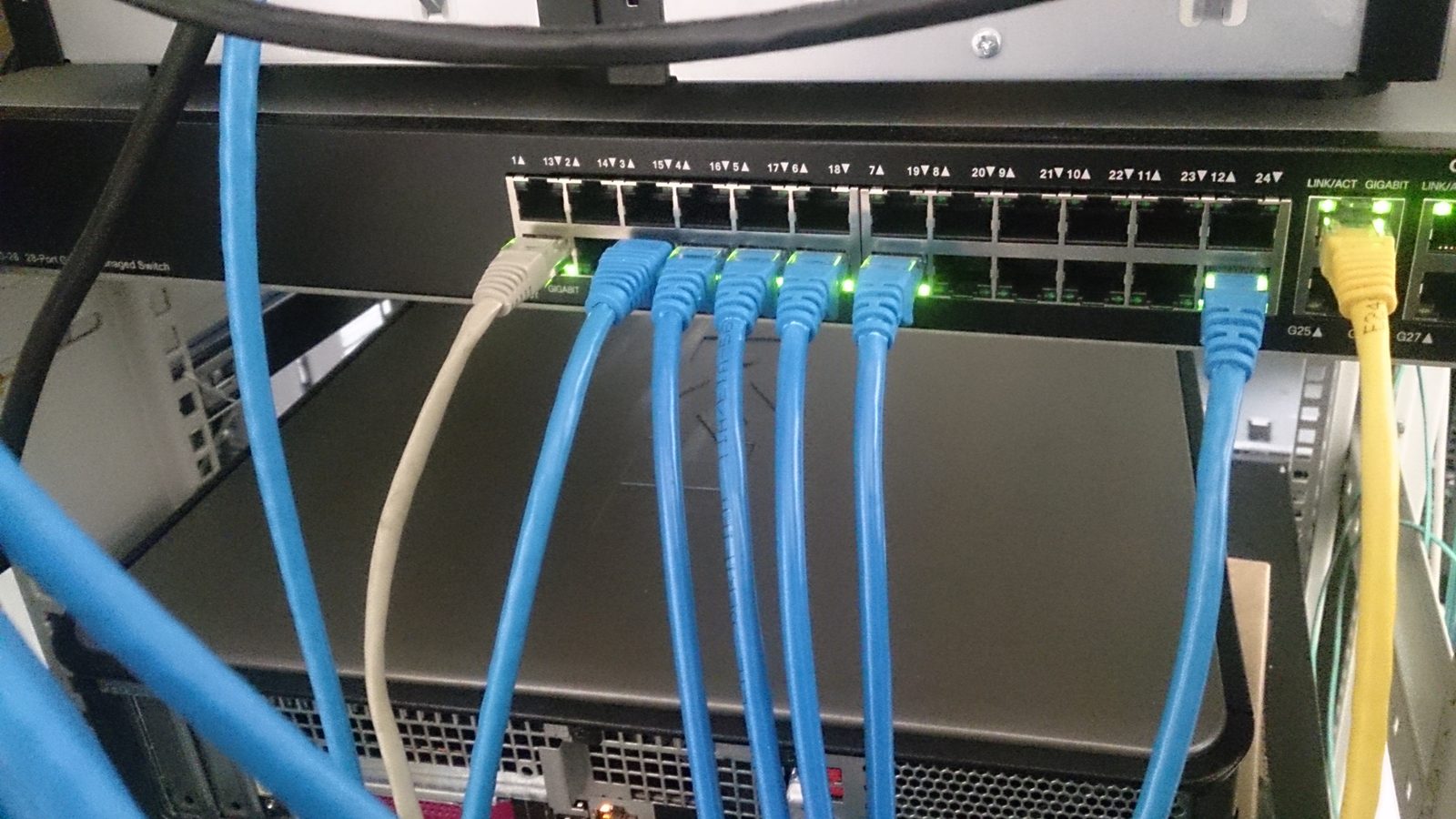
You cannot patch a vendor’s database yourself. You can decide where your own work lives. Local AI that runs on machines you own, and offline AI or air-gapped AI that is sealed off from the internet, removes the quiet path that exists when every prompt is a request to someone else’s servers.
For more on how work leaves the building, see AI data leakage. If you want to talk through an on-site option, contact us.