
Offline AI is a plain way to say the system can think, remember, and answer without sending your questions out over the public internet. For a local business, that is often the whole point. You want the skill of AI. You do not want a customer file to travel to a data center you will never visit.
The pain point is simple: most popular tools are online by design. Offline AI is a solution that starts by cutting that path.
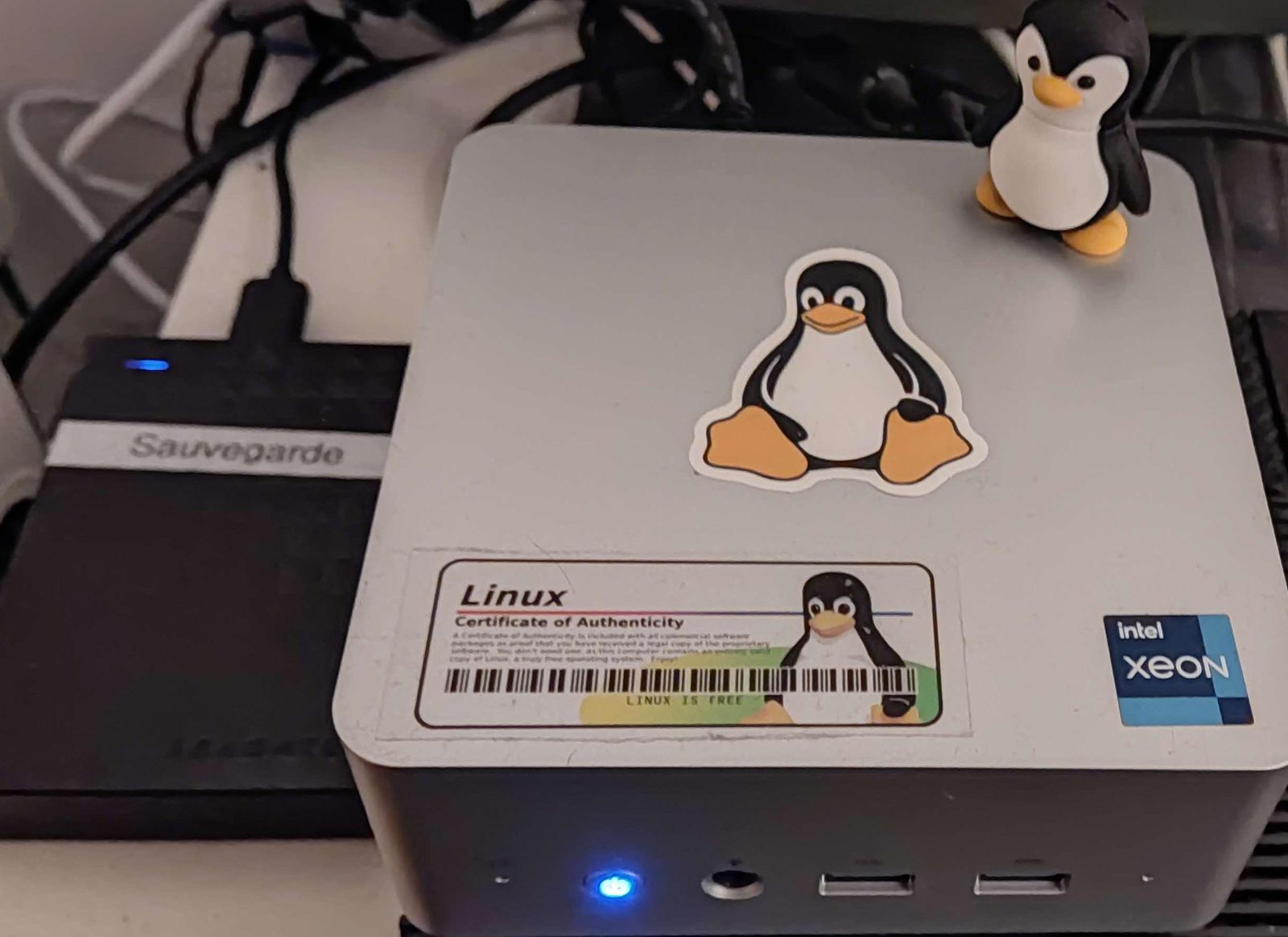
What offline AI is
Offline AI does not mean a dusty computer with no power. It means the model runs on equipment you control, and the system does not need an outside AI service in order to work. After it is installed, it can be sealed off from the internet — a setup people also call air-gapped AI — so prompts and files have no network path out of the building.
Ars Technica described the usual alternative: ChatGPT runs on OpenAI or Microsoft servers, is reached over the internet, and sends user data back for cloud processing. Offline AI flips that arrangement.
This is no longer only a theory. In March 2025, Oracle announced a contract to provide Singapore’s defence community with an air-gapped Isolated Region that is completely disconnected from the internet and includes AI services. Reuters reported that Oracle said it would provide an “air-gapped” isolated cloud — cut off from the internet and connected to classified networks via encrypted devices — and bring its generative AI tools into those isolated environments.
In April 2026, VentureBeat reported that Cirrascale would deliver Google’s Gemini model on-premises as a Dell-manufactured, Google-certified appliance that enterprises and government agencies can run in their own facilities, fully disconnected from the internet and from Google’s cloud. The offering entered preview on announcement, with general availability expected in June or July 2026.

How offline AI differs from a tool in the cloud
With a cloud tool, you are a guest. Retention, training, and security are the vendor’s. With offline AI, the work stays on your side of the wall.
Other companies are being asked for the same thing. TechCrunch reported in August 2025 that Cohere’s North platform can be installed on a customer’s private infrastructure, including air-gapped environments, so Cohere never sees or interacts with the customer’s data. In October 2026, Seoul Economic Daily reported that South Korean AI companies are offering on-premise deployments because customers fear confidential information leaking through cloud AI, including projects designed to run on a client’s own servers with no external internet connection.
A major bank is moving in the same direction, carefully. EE Times reported in July 2026 that SambaNova announced a multi-year agreement under which JPMorgan Chase will deploy SambaNova systems to power secure on-premises AI inference. That is an agreement to deploy, not a claim that the rollout is already finished. Finextra, reporting the next day, quoted the bank’s infrastructure platforms CIO as saying the bank looks forward to testing the systems’ speed and security for on-prem inference.
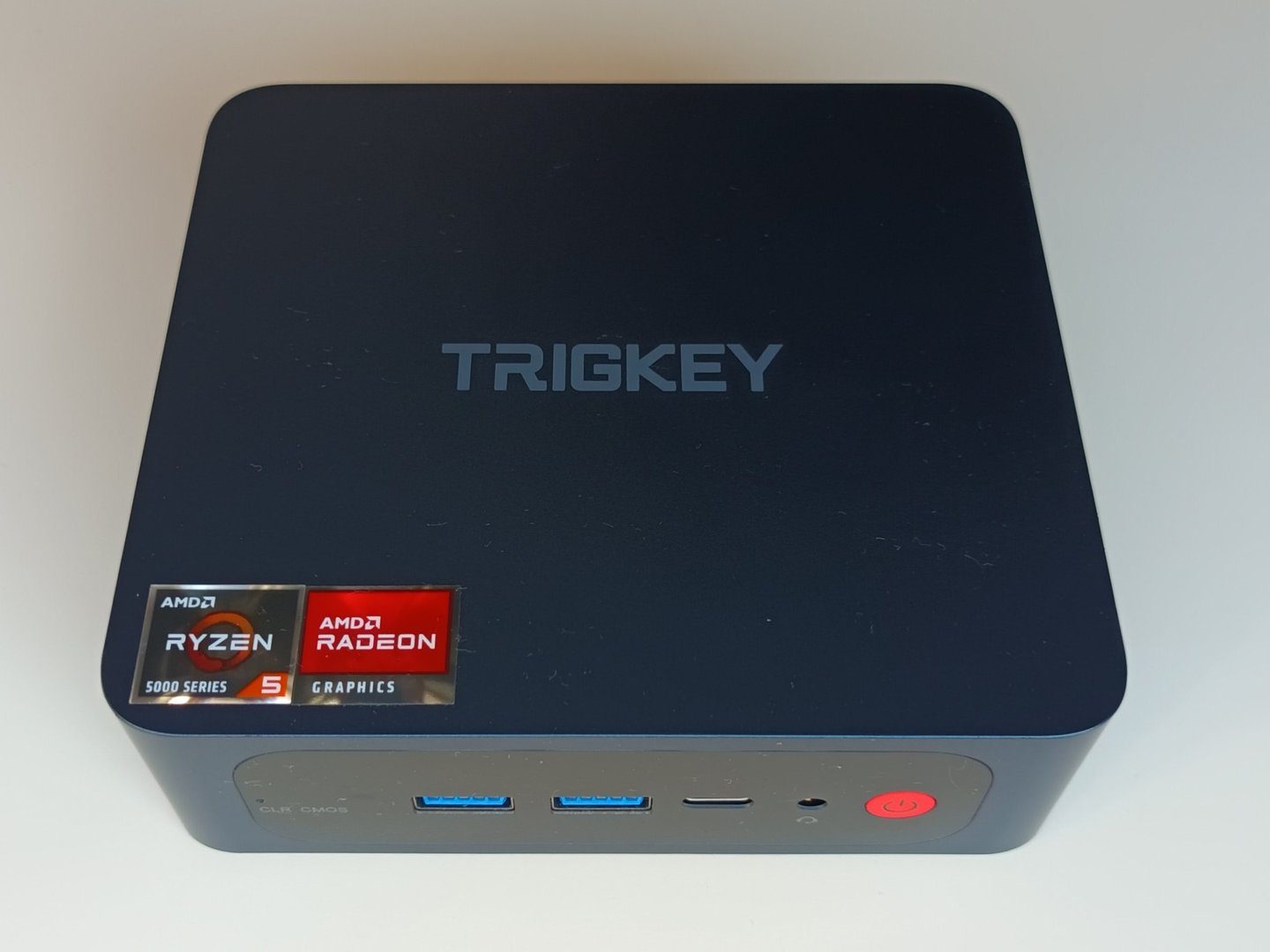
Why isolation is the point
On-premise AI is the first half: the machine is yours. Offline AI is the second half: the machine does not need the public internet to do the work. Together they support the idea of sovereign AI — a system you own and control.
If you want to see how an on-site, sealed-off install is sequenced, read how it works. If you would like to talk it through, contact Sovereign Security AI or look at our services. The Jasper platform is built to run privately on machines you own, so your work can stay off the public internet.