
AI data leakage is a plain name for a simple event: information you meant to keep inside the business ends up somewhere else, because an AI tool was involved. Sometimes a person pastes it. Sometimes a vendor’s system exposes it. Either way, you may not be able to pull it back.
This is one of the core AI pain points we hear from local owners. The tool is meant to save time. The leak path can look like ordinary productivity.

What AI data leakage looks like
AI data leakage does not have to start with a hacker. In early 2023, CIO Dive reported, citing The Economist Korea, that Samsung Electronics employees in the semiconductor business put sensitive corporate data into ChatGPT in three separate cases: source code related to facility measurement, code used to identify defective equipment, and a meeting recording entered so the tool could write the minutes. A month later, TechCrunch reported that Samsung temporarily restricted generative AI tools on company devices and internal networks, noting that data sent to those tools is hard to retrieve or delete and could be disclosed to other users.
That story is also a shadow AI problem: staff used a public chatbot to get a job done, and the work left the building.

When a vendor’s systems are the weak point
AI data leakage can also happen when the work already lives on someone else’s computers. In March 2023, OpenAI took ChatGPT offline. The Verge reported, from the company’s own account, that a bug may have shown some active users snippets of others’ chat histories, and may have exposed payment-related information — including name, email, payment address, and the last four digits and expiration date of a card — for around 1.2 percent of ChatGPT Plus subscribers who used the service between 4 a.m. and 1 p.m. Eastern time on March 20. OpenAI said the bug was fixed and that it had reached out to users who may have been affected.
In January 2025, TechCrunch reported that researchers at Wiz found a DeepSeek database on the public internet with no password. It held more than a million unencrypted logs, including user chat histories and API keys. DeepSeek took the database offline after it was alerted. It is not known how long it was exposed, or whether anyone else found it first.
Why this pushes people toward a local solution
Once a prompt is on a vendor’s servers, you are trusting their systems. IBM’s 2025 Cost of a Data Breach Report found that 13% of the 600 organizations studied reported breaches of AI models or applications, and that 97% of those lacked proper AI access controls.
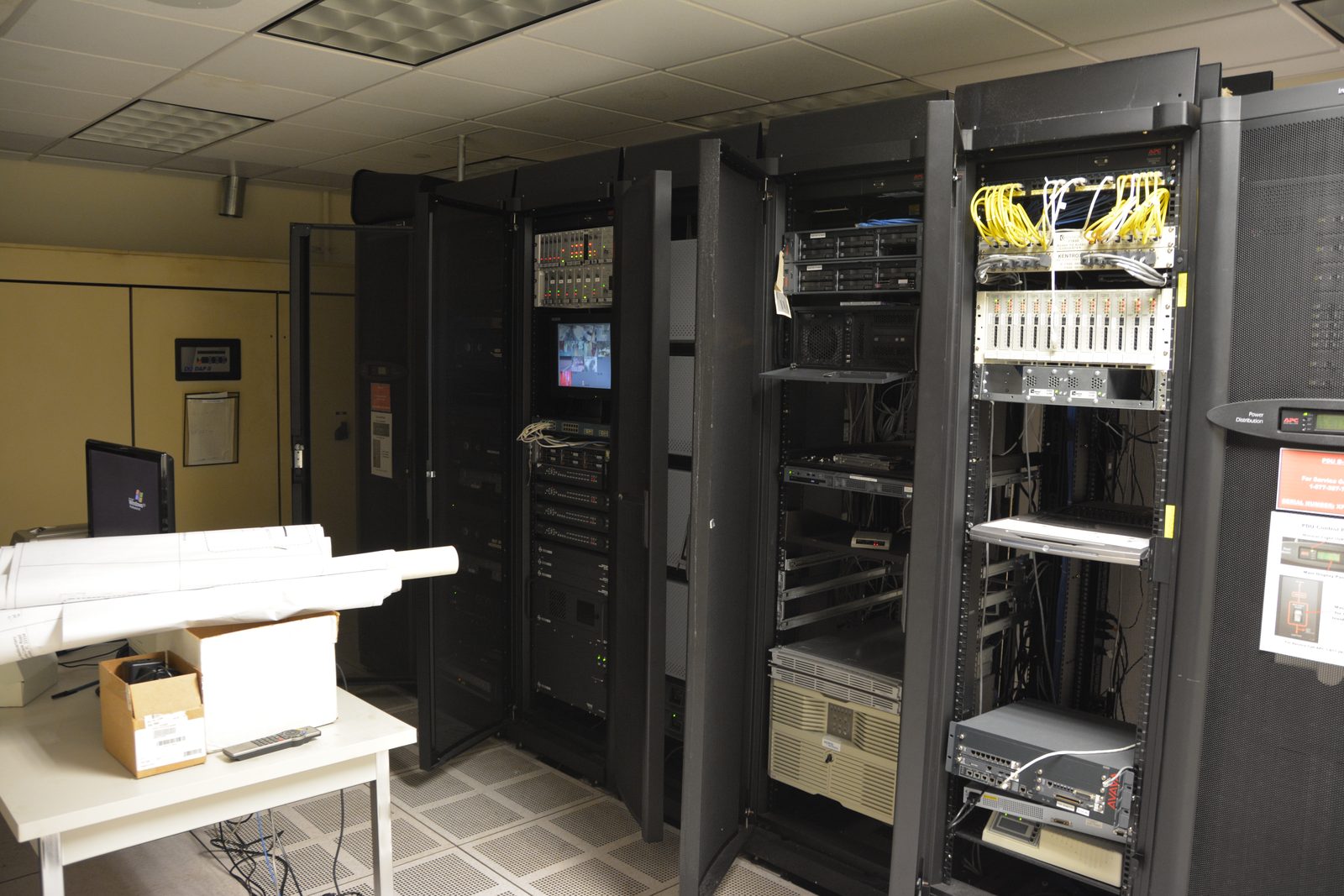
A practical solution is to keep the most sensitive work off the public cloud. That is the idea behind local AI and, where it fits, air-gapped AI that is sealed off from the internet. If you want the wider picture, see the problem and cloud AI breaches. Sovereign Security AI can talk through an on-site option if that is the path you want.