
If you run a shop, a clinic, a contractor's office, or any other local business, you already know the appeal. A public chatbot can draft a letter, check a procedure, or help with a stubborn spreadsheet in seconds. The hard part is what happens to the words you type.
Most public AI tools do not run on the computer on your desk. They send your questions and files to a company's servers, often far from your building. That is the trade. You get a capable assistant. The assistant's owner gets your input.
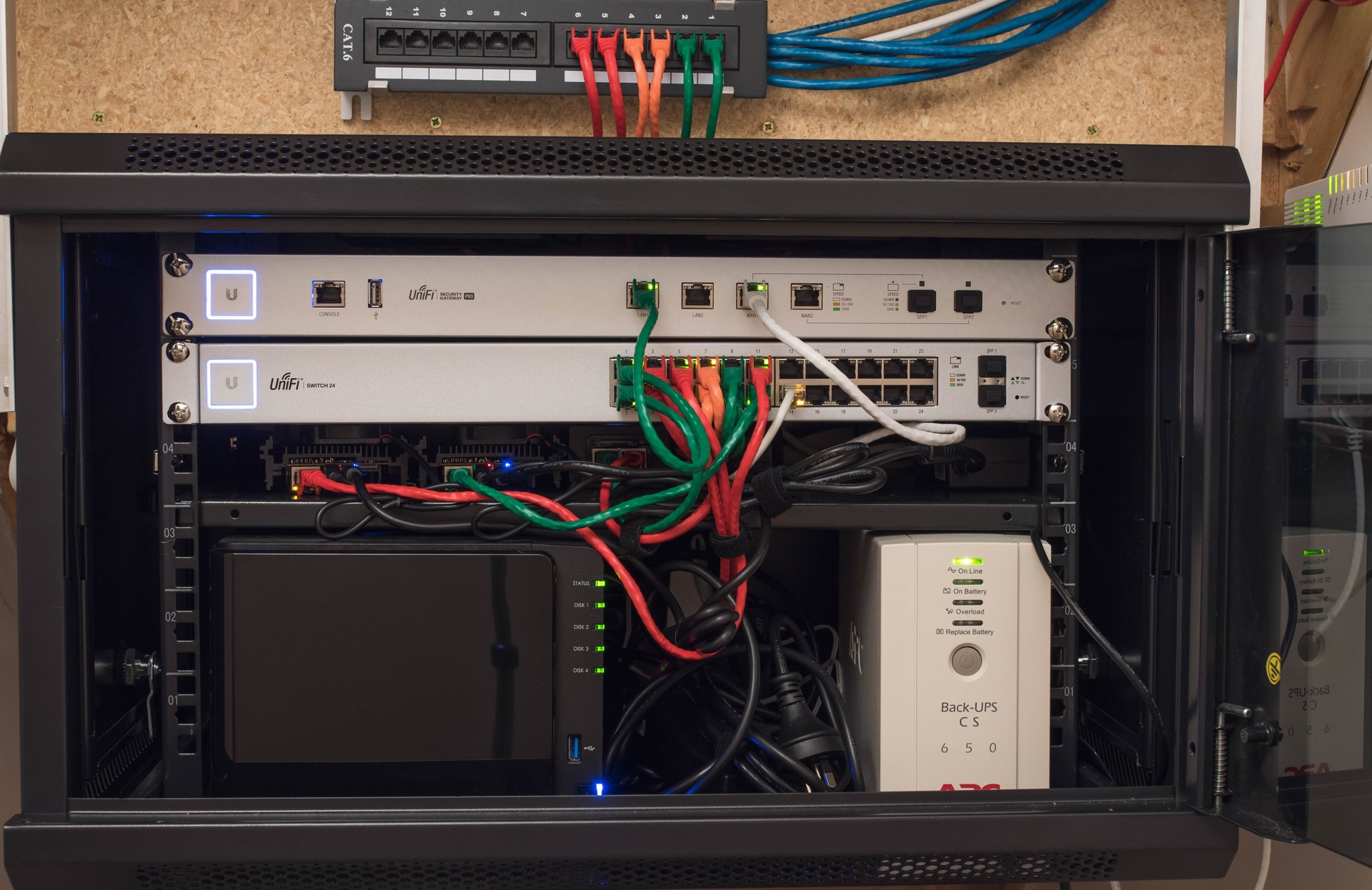
That trade is why more businesses are looking at local AI: a system that runs on machines they own, so everyday work does not have to leave the building.

What happens when you use a public AI tool
A public chatbot has to see your prompt in order to answer it. If the tool lives in someone else's data center, your text — and any file you upload — travels there. You cannot watch it leave. You also cannot reach in later and pull it back.
This is not only a worry for the largest companies. In May 2023, Ars Technica reported, citing The Wall Street Journal, that Apple had restricted employees' use of ChatGPT and other outside AI tools, including GitHub Copilot, because it was concerned that confidential data could leak. Ars Technica also described the basic setup of a public tool: ChatGPT runs on OpenAI or Microsoft servers, is reached over the internet, and sends user data back to the developers for cloud processing and, in some cases, for later model improvements.
Once the work is on someone else's computers, you are trusting their systems, their policies, and their security record.
Your words may be used to train a later model
There is a second issue, and the vendors themselves describe it.
OpenAI says that when you use its services for individuals, such as ChatGPT, it may use your content to train its models, unless you opt out. In April 2023, the company added a setting to turn off chat history. Conversations started with history turned off, it said, would not be used to train and improve its models. OpenAI also says that, by default, it does not train on inputs or outputs from its business products, including ChatGPT Team, ChatGPT Enterprise, and its API.
Those controls matter. They also make the default clear for a personal or consumer account: if you do not change the setting, a conversation can be used to improve a future model.
Amazon's concern, reported by Business Insider in January 2023, was in that same neighborhood. A company lawyer warned staff not to give ChatGPT confidential Amazon information, including internal code, and pointed to the risk that inputs could be used as training data. The lawyer wrote that they had already seen instances where ChatGPT's output closely matched existing material from inside the company.
You do not have to accept every fear at face value. You do have to notice the pattern. People paste real work into a handy tool. The tool may learn from that work. Later, something that looks like it can show up for someone else.
Even a well-known service can expose a chat
Training is not the only way a cloud conversation can get out of your hands.
In March 2023, OpenAI took ChatGPT offline after a bug allowed some users to see titles from another user's chat history, and possibly the first message of a new conversation. The company later said the same bug may have exposed payment-related information — including name, email, payment address, card type, the last four digits of a card, and the expiration date — for 1.2 percent of ChatGPT Plus subscribers who were active during a nine-hour window. Full card numbers were not exposed. OpenAI patched the bug and notified affected users, as The Verge reported from the company's own account of the incident.
The point for a business owner is simple. If your draft, your client note, or your price list lives on a vendor's computers, a fault in their system can put it in front of the wrong person. You did not mistype anything. You used the product as designed.
Why this pushes people toward local AI
None of this means public tools have no place. It means they are a poor home for work you would not put on a postcard.
Local AI flips the arrangement. The model runs on hardware you own, in a place you control. Your prompts and files do not need to go to an outside AI service in order for the system to answer. A price hike, a policy change, or an outage at some other company does not have to stop your day.
For a local business, that can be the difference between "we would like to use AI" and "we will not put a customer's file into a chatbot." It is also a way to give staff a capable assistant without asking them to become unofficial policy experts every time they need help with a paragraph.
If you want a plain-language look at what it means to keep AI on machines you own, read What on-premise AI means for a local business. The same habit of pasting real work into a public tool is also what shadow AI looks like in practice. And if you have been holding off because of where your data would go, a private system that stays on site is worth a conversation. See how an engagement works, or start at Sovereign Security AI.