
Sovereign AI is a formal-sounding phrase for a practical idea: the system is yours. You own it, you control it, and your work does not have to live on a vendor’s public cloud in order for the AI to be useful.
If you have been hesitant to use AI because you cannot see where a prompt goes, this is the question sovereign AI is trying to answer.
What sovereign AI means in daily work
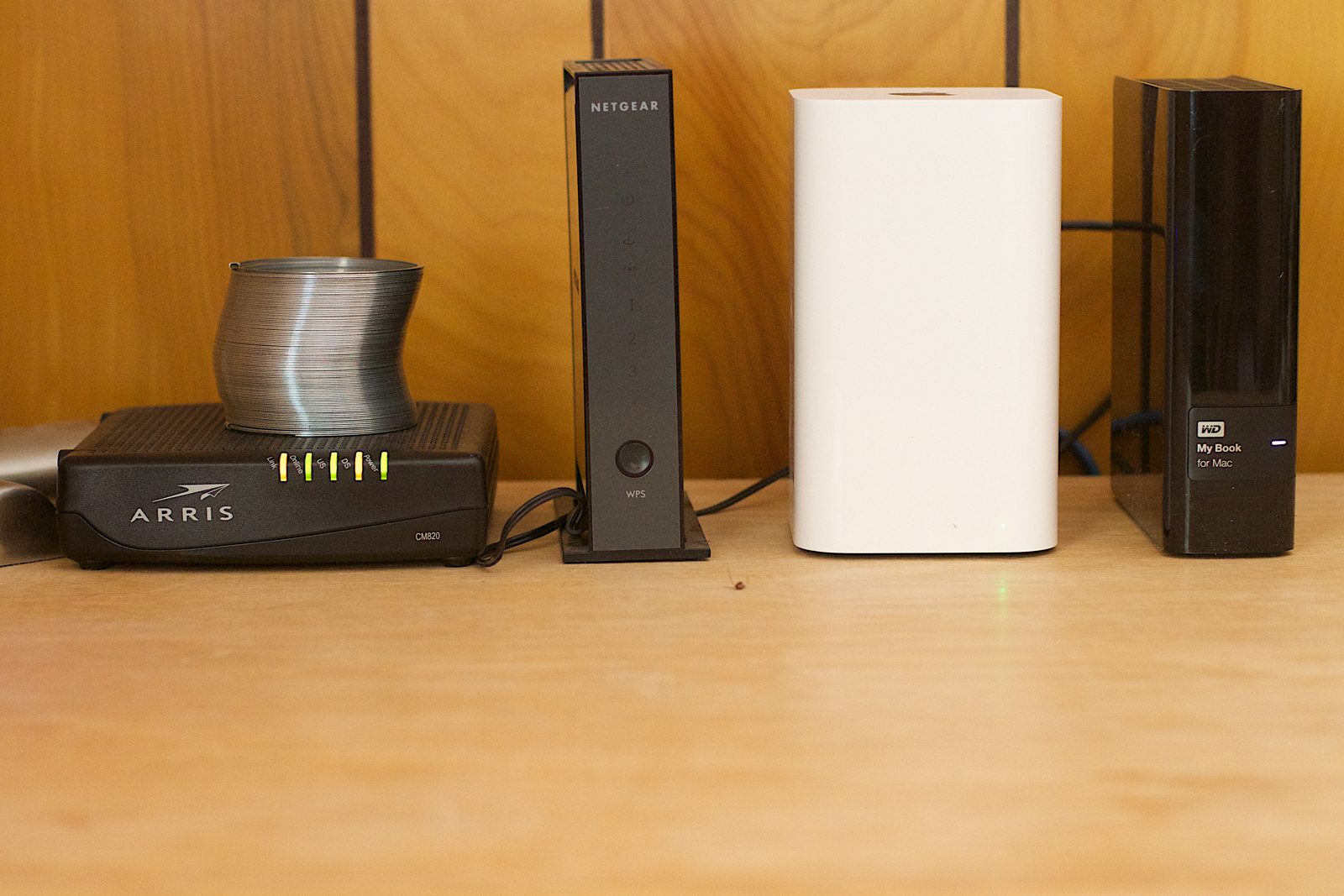
In daily work, sovereign AI means the model runs in a place you control — often on machines in your own building. Staff can still talk to it through a simple chat window. The difference is the path the question takes. It does not have to travel across the public internet to a company that offers AI as a service.
Ars Technica described the public model plainly: ChatGPT runs on OpenAI or Microsoft servers and is reached over the internet, and user data goes back to the developers for cloud processing. Sovereign AI is the opposite arrangement. The machine is yours. The work stays with you.
That idea is showing up well beyond small shops. In March 2025, Oracle announced that Singapore’s Defence Science and Technology Agency had signed a contract for an Oracle Cloud Isolated Region to support the Ministry of Defence and the Singapore Armed Forces. Oracle described the region as a sovereign, air-gapped environment that is completely disconnected from the internet, and said it would deliver cloud computing, data management, and AI services there. Reuters reported that Oracle said it would provide an “air-gapped” isolated cloud — cut off from the internet and connected to classified networks via encrypted devices — and bring its generative AI tools into those isolated environments, in the company’s first such deal in Southeast Asia.
Why ownership matters
Ownership matters because a public tool’s rules are not your rules. OpenAI says that when people use its services for individuals, such as ChatGPT, it may use their content to train its models unless they opt out. Business products are treated differently by default. The point is still the same: when the system lives on the vendor’s side of the wall, you are a guest.
Other vendors now sell the opposite. In August 2025, TechCrunch reported that Cohere launched North, an agent platform it says can be installed on a customer’s private infrastructure — including on-premises systems, hybrid clouds, VPCs, or air-gapped environments — so Cohere never sees or interacts with the customer’s data.

How isolation supports sovereign AI
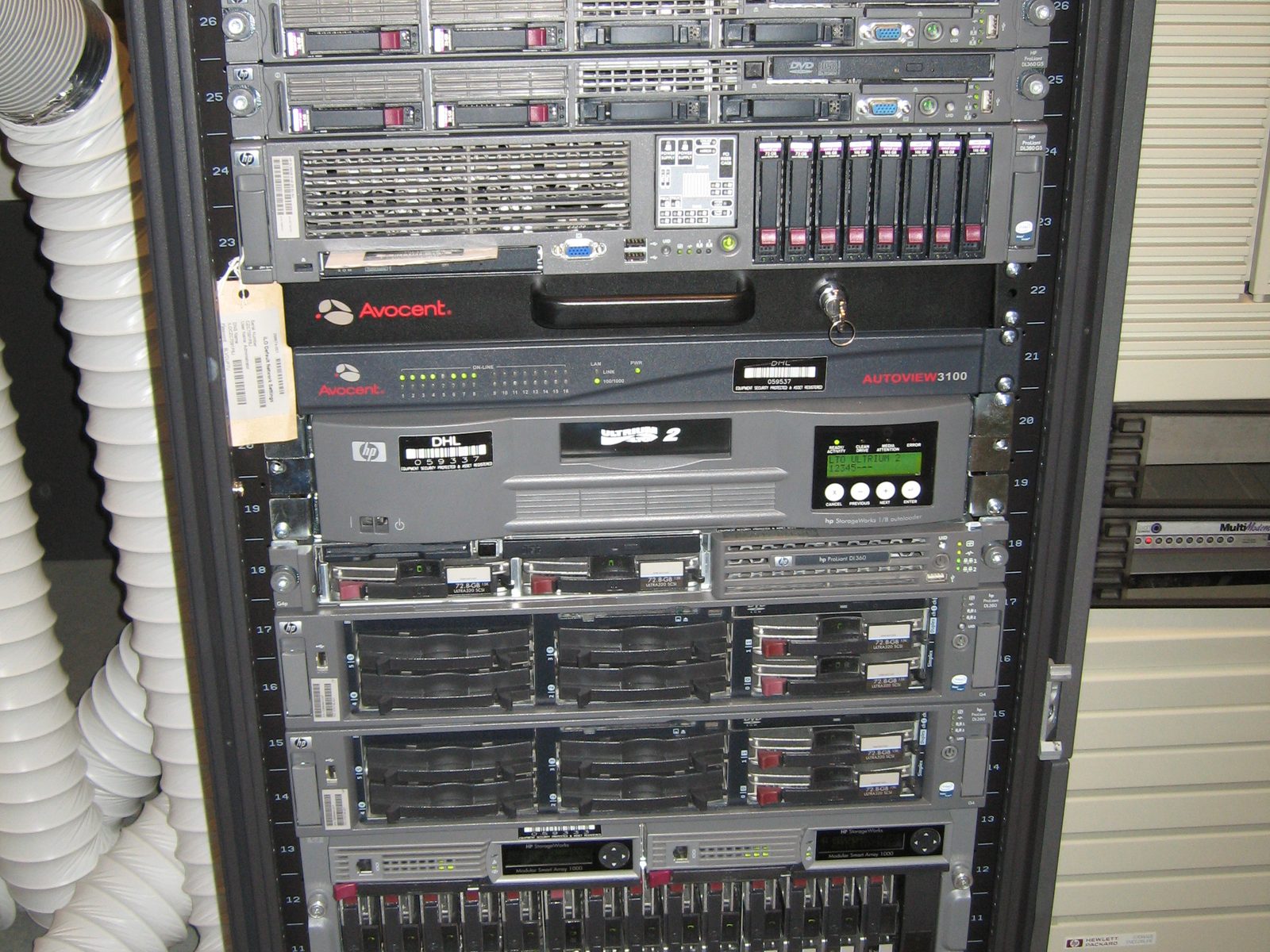
Owning the box is the first step. Isolation is the next one. On-premise AI can still be connected to the internet. Air-gapped AI, or offline AI, goes further: after the system is installed, it is sealed off, so prompts and files have no path out over the network.
In April 2026, VentureBeat reported that Cirrascale Cloud Services announced it would deliver Google’s Gemini model on-premises through Google Distributed Cloud as a Dell-manufactured, Google-certified appliance that enterprises and government agencies can run in their own facilities, fully disconnected from the internet and from Google’s cloud. The offering entered preview on announcement, with general availability expected in June or July 2026.
A local business does not need a defense contract to want the same kind of control. If you want to see how an on-site path is sequenced, read how it works, or ask us about services. Sovereign Security AI installs a private system, including the Jasper platform, on machines you own.